10 Hallucinogens Withdrawal Symptoms You May Experience
Hallucinations and “out-of-body” experiences most characterize the types of effects brought on by hallucinogen drugs. Some of the more commonly known hallucinogens include –
- LSD
- PCP
- Mescaline
- Psilocybin
As with any type of regular drug use, hallucinogen withdrawal symptoms are likely to develop whenever you try to reduce or stop drug use. Hallucinogen withdrawal symptoms can vary in intensity depending on how long a person has used a particular drug. For these reasons, it’s good to know what to expect along the way so you don’t get overwhelmed and give up.
For anyone considering stopping or cutting back, here are 10 hallucinogen withdrawal symptoms you may experience –
Physical Hallucinogen Withdrawal Symptoms
According to the Institute for Substance Abuse Treatment Evaluation, hallucinogens work by stimulating neurotransmitter production in the brain. Neurotransmitter chemicals, such as glutamate, serotonin, norepinephrine and dopamine act as chemical messengers, enabling the various regions of the brain to communicate with one another. Neurotransmitter chemicals also regulate central nervous system functions.
With regular drug use, hallucinogen effects disrupt the brain’s natural chemical balance, which in turn impairs its ability to regulate bodily functions in a normal fashion. Once brain chemical imbalances reach a certain point, physical hallucinogen withdrawal symptoms develop.
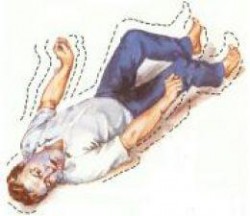
Hallucinogen withdrawal can cause episodes of seizure.
In addition to triggering neurotransmitter secretions, hallucinogens also cause damage to the brain cells that secrete these chemicals. This damage weakens the cells’ ability to produce neurotransmitter supplies. When this happens, a person has to keep taking larger doses of hallucinogens in order to experience the desired drug effects.
Physical hallucinogen withdrawal symptoms to watch out for include –
- Stiff muscles
- Seizure episodes
- Extreme changes in body temperature
- Rapid heart rates
- Tremors
Over time, the brain’s tolerance for hallucinogens continues to increase. As tolerance levels rise, physical withdrawal symptoms happen on a more frequent basis and also increase in intensity.
Behavior-Based Hallucinogen Withdrawal Symptoms
Hallucinogen withdrawal symptoms not only affect the body’s ability to function, but also the mind. Behavior-based withdrawal symptoms develop once the drug’s effects start to impair the brain’s cognitive and emotion-based functions, according to Bryn Mawr College.
The hallucinations brought on by hallucinogens originate from the cognitive and emotion-based regions of the brain. The neurotransmitter chemical surges that bring on these effects can leave behind some pretty distressing aftereffects once a person stops using these drugs.
Behavior-based withdrawal symptoms most often experienced include:
- Panic attacks
- Psychotic-like behavior displays
- Violent tendencies
- Extreme and frequent mood swings
- Speech difficulties
During the withdrawal period, it’s difficult to function normally in everyday life so be prepared to take time off from work until withdrawal runs its course. In cases of chronic hallucinogen use, these symptoms can persist for months and even years after stopping drug use, so it may be a good idea to seek out professional treatment help rather than trying to go it alone.
Ultimately, hallucinogen withdrawal symptoms worsen in severity the longer a person has engaged in drug use. Frequency of use and dosage amounts normally ingested also influence how intense your withdrawal period will be.
- Related Articles
-
 How Long Will Treatment for a Bad Trip Take? -
A bad trip can lead to devastating disorders that require long term treatment, such as hallucinogen persisting perception disorder and persistent psychosis.
How Long Will Treatment for a Bad Trip Take? -
A bad trip can lead to devastating disorders that require long term treatment, such as hallucinogen persisting perception disorder and persistent psychosis.
-
 Dangerous Hallucinogens Effects on the Psyche -
Hallucinogens are drugs that completely mess up the chemical structure of the user’s brain. Hallucinogens, such as LSD or PCP, will cause a person’s mood to alter while making them see things that are not really there. There are numerous dangers that hallucinogens cause to the human psyche.
Dangerous Hallucinogens Effects on the Psyche -
Hallucinogens are drugs that completely mess up the chemical structure of the user’s brain. Hallucinogens, such as LSD or PCP, will cause a person’s mood to alter while making them see things that are not really there. There are numerous dangers that hallucinogens cause to the human psyche.
-
 How to Tell if Someone You Know is Using Hallucinogens -
Each hallucinogen comes with it different side effects, from dilated pupils to personality changes.
How to Tell if Someone You Know is Using Hallucinogens -
Each hallucinogen comes with it different side effects, from dilated pupils to personality changes.
-
 What is Hallucinogen Persisting Perception Disorder? -
If you are experiencing flashbacks after taking hallucinogens, you should education yourself about Hallucinogen Persisting Perception Disorder.
What is Hallucinogen Persisting Perception Disorder? -
If you are experiencing flashbacks after taking hallucinogens, you should education yourself about Hallucinogen Persisting Perception Disorder.
-
 10 Signs of Hallucinogen Abuse -
Learn the common hallucinogen abuse symptoms so you can get your loved one the treatment help they need.
10 Signs of Hallucinogen Abuse -
Learn the common hallucinogen abuse symptoms so you can get your loved one the treatment help they need.